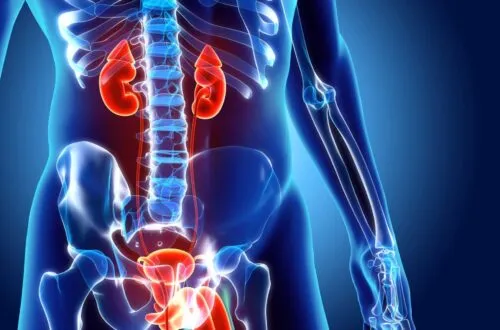
The primary functions of the urinary or renal system are waste elimination, regulation of blood volume and pressure, the balance of electrolytes, and regulating blood pH. It consists of the kidneys, ureters, bladder, and urethra. Ayurveda uses the term Mutravahasrota Roga as an umbrella term to describe urinary disorders.
There are 13 types of Mutraghata:
Vatakundalika: spasmodic stricture of the bladder
Vatashthila: enlargement of the prostate
Vatavasti: obstruction of the bladder outlet; retention of urine
Mutrateeta: decrease in the force of the urinary stream
Mutrajathara: bladder distended with urine and gas
Mutrotsanga: stricture of the urethra
Mutrakshaya: anuria
Mutragranthi: malignant neoplasm/tumor of the bladder
Mutrashukra: presence of semen in urine
Ushnavata: cystitis
Vastikundalam: atonic condition of the bladder
Vidvighata: retrovesical fistula
Mutravsada: scanty urination
Ayurveda suggests dietary modifications—such as consuming season - appropriate fruits and vegetables, curd, and limiting spicy foods — coupled with therapies like Panchakarma (including Virechana and Vasty), Abhyanga, Snehana, and Swedana.
Calculi is the medical term for bladder stones. They develop when some of the minerals in urine crystallize and clump together in the bladder. Without treatment, these stones can cause infections, bleeding, and long-term problems in the urinary tract.
Knowing the type of kidney stone you have is crucial for determining its cause and preventing future stones.
For example:
Calcium stones: usually in the form of calcium oxalate or calcium phosphate.
Struvite stones: form in response to a urinary tract infection and can grow rapidly.
Uric acid stones: develop in individuals losing excessive fluid due to chronic diarrhea, malabsorption, or a high-protein diet.
Cystine stones: occur in people with the hereditary disorder cystinuria.
In Ayurveda, several diuretic herbs are recommended to dissolve these stones and promote their expulsion via urine. Afterward, various cleansing techniques—such as Panchakarma—are used to strengthen the body.
A urinary tract infection (UTI) is a common infection affecting the urinary system. Symptoms typically include frequent urination, pain during urination, and pain in the side or lower back.
UTIs can affect various parts of the urinary system: Urethritis: infection of the urethra Cystitis: infection of the bladder Pyelonephritis: infection of the kidneys Vaginitis: infection of the vagina
Ayurveda offers many beneficial herbs—such as Amalaki (Indian gooseberry), Gokshura (Small caltrops), and Kantakari—that act as natural antibiotics without harmful side effects. Additionally, treatment procedures like Anuvasana Basti and Tapa Sweda (sudation or sweat therapy using hot materials) are performed on the pelvic region to alleviate UTIs.