Your Gateway to Kerala's Ayurvedic Wellness
Abhyanga Therapy - Divyamrut Ayurcare

Abhyanga Therapy (Full Body Massage)

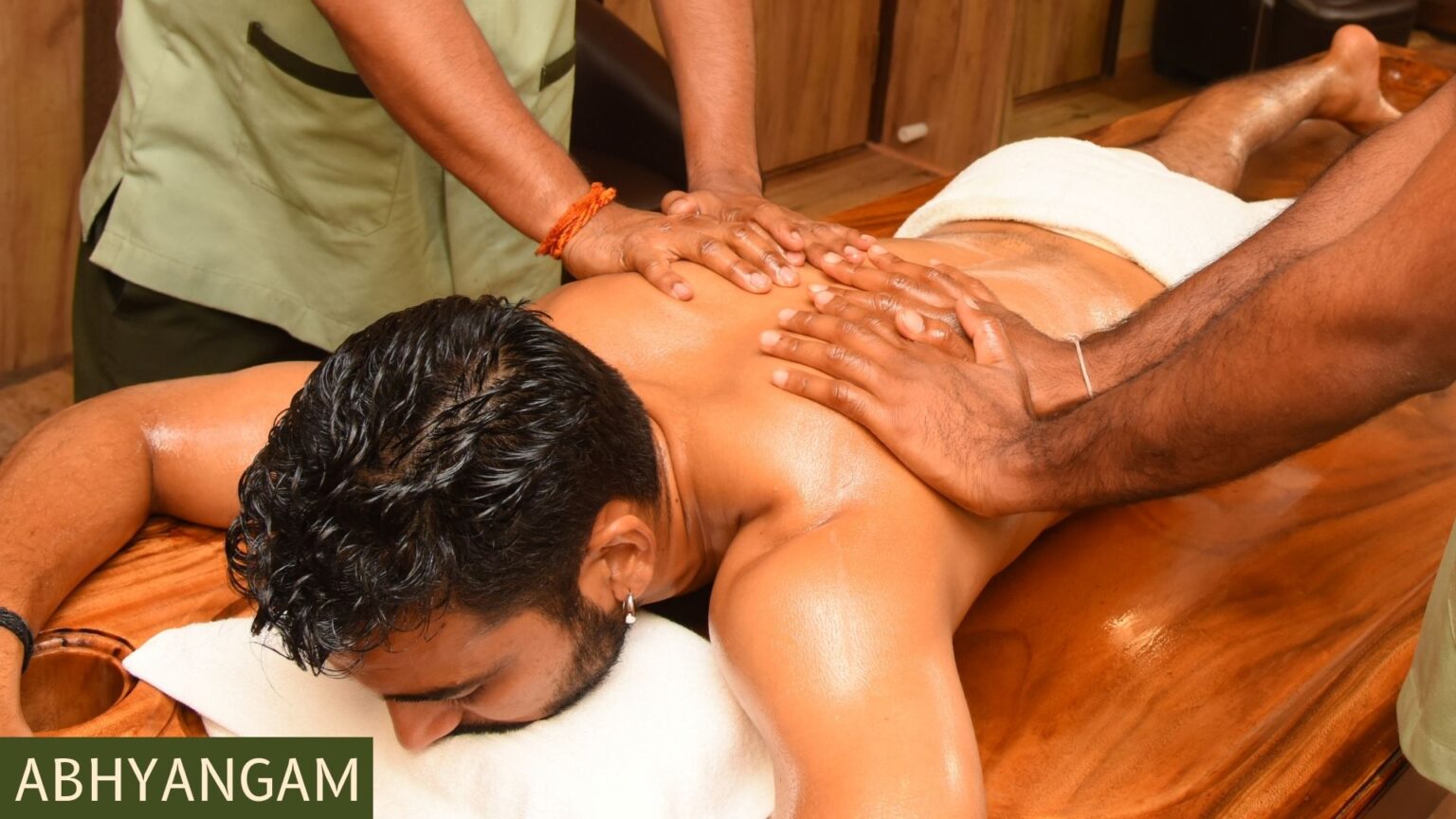
Abhyanga is a deeply therapeutic Ayurvedic oil massage that helps balance the doshas, improve circulation, and detoxify the body. The name comes from the Sanskrit words "Abhi" (towards) and "Anga" (body/limb), symbolizing the rhythmic movement of hands over the body with warm, medicated oils.

This therapy is a key part of the Dinacharya (daily regimen) in Ayurveda and is recommended for maintaining overall well-being, improving circulation, and detoxifying the body. Abhyangam is widely used as a preparatory procedure in Panchakarma (five detoxification therapies) and as a standalone treatment for various ailments.

Procedure

  • Purva Karma (Preparatory Stage)

    The patient is assessed for Dosha imbalance (Vata, Pitta, Kapha) and their body constitution. The oil is selected accordingly and warmed to a comfortable temperature. The patient is made to sit or lie down in a warm, ventilated room.

  • Pradhana Karma (Main Procedure)

    The warm oil is applied generously over the body, starting from the head (Shiro Abhyanga) and moving down to the feet (Pada Abhyanga).
    Specific strokes are used depending on the condition:
    Long strokes (Dirgha Mardana) – For relaxation and improved circulation.
    Circular strokes (Mandala Gati) – Over joints for flexibility.
    Deep pressure strokes (Gati Samhara) – To release stiffness and tension.
    Upward strokes (Urdhva Gati) – To enhance blood flow and lymphatic drainage.
    The massage is performed for 45 to 60 minutes, ensuring uniform oil penetration.

  • Paschat Karma (Post-Treatment Care)

    The patient is advised to rest for 15-20 minutes to allow the oil to be absorbed. A warm water bath or herbal steam bath (Swedana) is recommended to open pores and enhance detoxification. Light and easily digestible food is advised post-treatment.

Indications (When to Use Abhyangam)

  • Vata Disorders :Effective in conditions like arthritis, joint pain, stiffness, and muscle wasting.
  • Neurological Disorders : Beneficial for paralysis (Pakshaghata), sciatica (Gridhrasi), and neuropathy.
  • Stress and Anxiety Helps in reducing cortisol levels, inducing relaxation, and improving sleep.
  • Skin ConditionsNourishes dry skin, improves complexion, and prevents premature aging.
  • Detoxification Supports the removal of Ama (toxins) and enhances lymphatic drainage.
  • Postnatal Care Strengthens muscles and aids recovery after childbirth.
  • Rejuvenation TherapyHelps in delaying aging (Rasayana Chikitsa) and maintaining vitality.

Contraindications (When to Avoid Abhyangam)

  • Fever (Jwara) :Oil massage can increase body heat.
  • Indigestion (Ajirna) : Can disturb the digestive fire (Agni).
  • Severe Infections and Open Wounds : May lead to further complications.
  • Severe Kapha Disorders : In conditions like obesity and congestion, dry therapies are preferred.
  • During Menstrual Cycle : Can cause excessive flow in some women.
  • Postnatal Care Strengthens muscles and aids recovery after childbirth.
  • Rejuvenation TherapyHelps in delaying aging (Rasayana Chikitsa) and maintaining vitality.

Outcomes and Benefits

  • Improves Blood Circulation :Enhances oxygen supply to tissues.
  • Strengthens Joints and Muscles : Lubricates joints and promotes flexibility.
  • Boosts Immunity (Vyadhikshamatva) : Strengthens the body's defense mechanism.
  • Delays Aging (Vayahsthapana): Nourishes dry skin, improves complexion, and prevents premature aging.
  • Enhances Mental Clarity: Reduces stress and promotes cognitive function.
  • Balances Doshas: Especially effective in pacifying Vata Dosha, which governs movement and nervous system functions.
Conclusion

Abhyangam is a powerful and holistic Ayurvedic therapy that promotes overall well-being, offering relief from a wide range of physical and mental health concerns. When done regularly, it enhances longevity (Ayu), improves energy levels (Bala), and supports mental peace (Sattva).