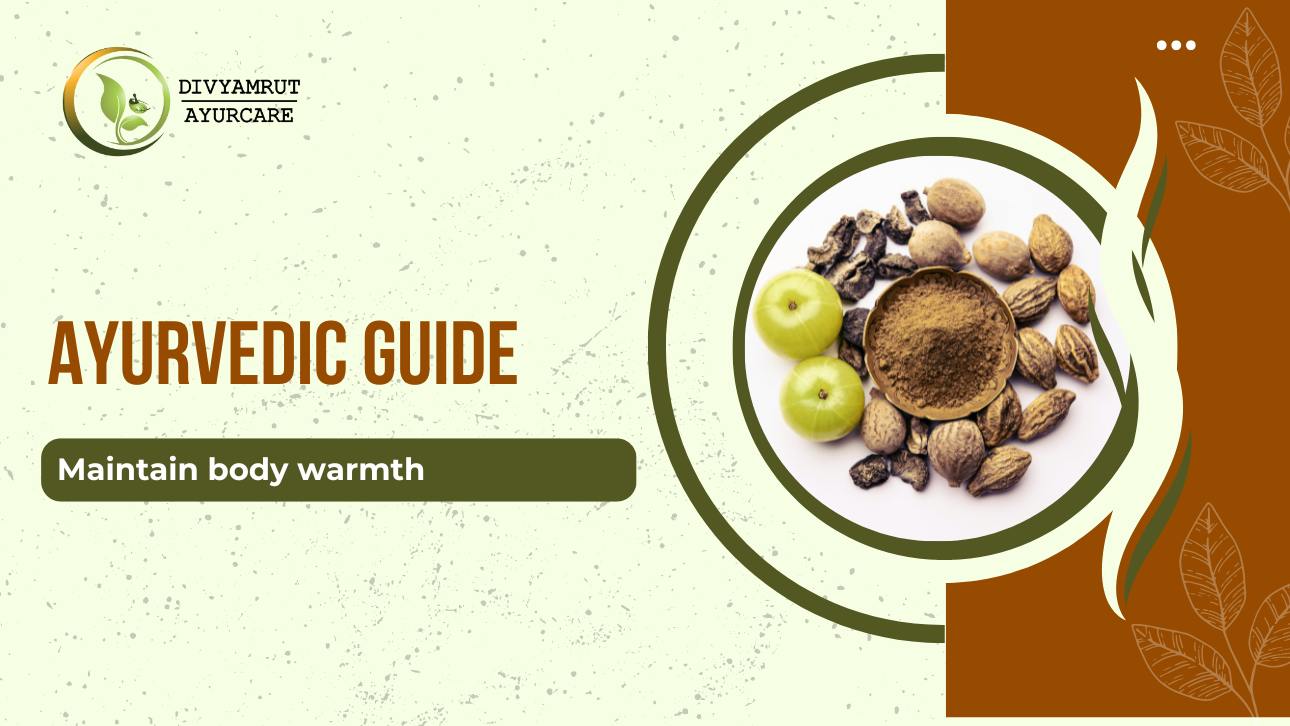
Winter brings comfort, warm clothes, and festive vibes, but it also brings dry skin, cough, joint pain, and low immunity. Cold weather naturally reduces moisture from the environment and from our bodies. According to Ayurveda, winter mainly increases Vata Dosha, which is dry, cold, and rough by nature. When Vata rises, you may experience dryness, stiffness, digestive problems, and low energy.
This Ayurvedic Guide to Managing Dry Winter Weather for Better Health will help you understand how to protect your body and maintain balance using natural daily habits, food choices, and Ayurvedic principles.
Ayurveda divides the year into seasons based on their effect on the body. Winter is considered a season of cold and dryness, which affects:
During winter, digestive fire (Agni) becomes stronger, but dryness increases. So Ayurveda focuses on nourishing, warming, and moisturizing therapies to maintain health.
Your lifestyle plays a major role in managing winter health.
Daily oil massage keeps the skin soft and joints flexible. Use warm sesame or almond oil.
Avoid cold water baths in winter. Always use lukewarm water to:
Cover your head, ears, and feet when going outside. Cold exposure increases Vata and may lead to cough, sinus issues, or body pain.
Prefer:
Drink:
Cold drinks increase dryness and slow digestion.
Add healthy fats to your diet, like:
They nourish the body and reduce dryness from within.
Drink warm milk with a pinch of turmeric at night to:
Put 2 drops of warm ghee or sesame oil in each nostril daily. This prevents dryness and protects from infections.
Take steam with eucalyptus or neem leaves to clear nasal congestion and improve breathing.
A disciplined routine in winter improves overall well-being.
| Problem | Ayurveda Solution |
|---|---|
| Dry skin | Oil massage |
| Constipation | Warm water + fiber |
| Low immunity | Herbs and warm food |
| Joint pain | Turmeric milk |
| Cough | Ginger + honey |
Winter does not have to be uncomfortable if you follow simple Ayurvedic principles. A warm diet, a nourishing routine, and herbal support can keep you energetic and disease-free. This Ayurvedic Guide to Managing Dry Winter Weather for Better Health is your natural path to staying healthy without side effects.
At Divyamrut Ayurcare, we believe healing should be gentle, natural, and deeply rooted in tradition.
Call +91 97699 98000
Q1. Why does the skin become dry in winter?
Cold air removes moisture from the skin and increases Vata Dosha, leading to dryness.
Q2. Which oil is best for a winter massage?
Sesame oil is the most recommended for warmth and nourishment.
Q3. Can Ayurveda improve immunity in winter?
Yes. Ayurvedic herbs and routines naturally strengthen digestion and immunity.
Q4. Is warm water better than cold water in winter?
Yes. Cold water worsens dryness and digestion.
Q5. Can diet really control winter problems?
Absolutely. Proper diet reduces dryness, boosts energy, and keeps joints healthy.